
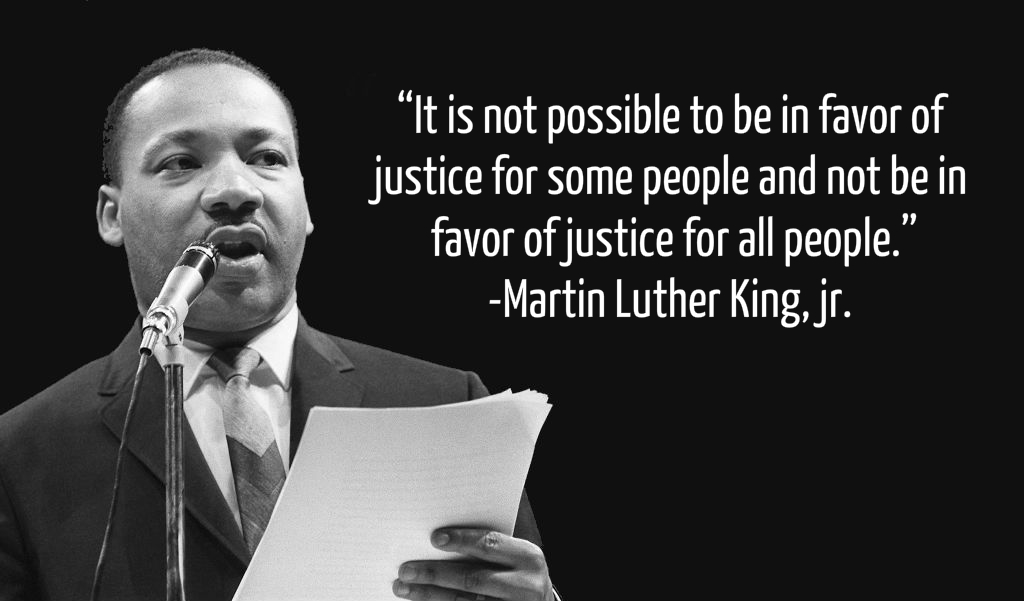
As we reflect on the legacy of Dr. Martin Luther King, Jr., let us be careful not to culturally appropriate his methods as the “proper” way to protest against the civil and social injustices plaguing our society. Dr. King was multidimensional and very much the “radical” during the Civil Rights era. He was both objective and keen in his understanding of the hearts of the oppressed. He was labeled a Communist, Socialist, Marxist, and many other things. He was on the FBI’s most wanted list for his nonviolent resistance against the racist and classist core of America. He was beaten, stabbed, spat on, jailed, and ultimately killed for his peaceful protesting against racism, poverty, and civil rights for Black Folks.
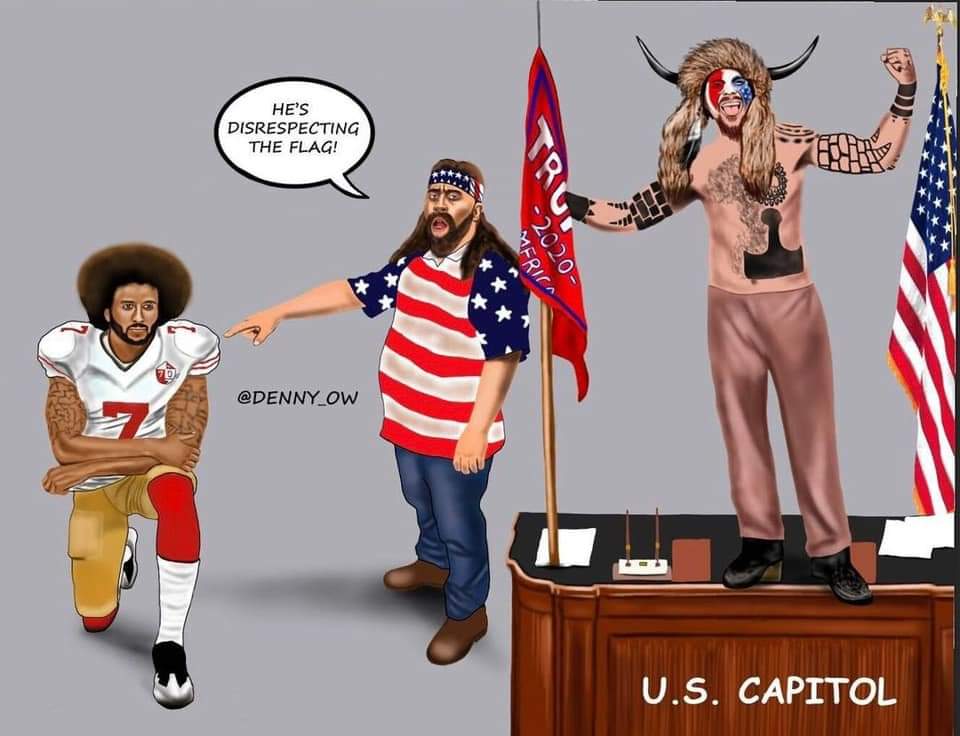
The same folks praising Dr. King today, as they turn their noses up at the Black Lives Matter movement, would definitely be the same folks calling for Dr. King’s demise during the 1950s/1960s. In case you need a pulse check, your response to Colin Kaepernick kneeling during the national anthem at an NFL game will tell you all you need to know about yourself, if you’re still confused about where you fall on that spectrum.
We must be the voice of reason in our families and communities. We must engage as change agents. We must advocate for legislation that prioritizes the needs of marginalized groups. We must enact policies that promote the prosperity of Black and Brown lives. We must fearlessly challenge the willful ignorance of the people and systems that benefit or profit from disenfranching minority groups. When you get tired past the point of exhaustion, press in even further, this is the place where growth and change occur.
A lot of folks have become content with hoarding their own personal places of peace because justice for all would mean sacrificing their perceived comfort, privilege, and power.
“True peace is not merely the absence of tension, it is the presence of justice.” -Dr. Martin Luther King, Jr.
 inspireigniterestore.com